


Low-Autofluorescence Mono Fiber-optic Patch Cords
Low-Autofluorescence Mono Fiber-optic Patch Cords
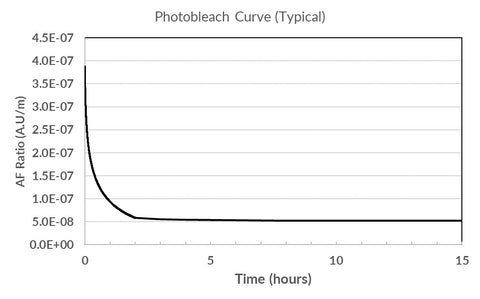
The Low Autofluorescence Fiber-optic (LAF) Patch cords are specially designed to minimize the fluorescence caused by photoactive compounds in the optical fiber and associated elements. Fibers with a low natural fluorescence are selected and used with glues, ferrules and protective coatings that have low or no-fluorescence. To ensure its minimal autofluorescence, each patch cord undergoes a 12-hour photobleaching process that decreases their remaining natural fluorescence. Patch cords with NA = 0.37 use all glass fiber which have a very low autofluorescence level naturally. Consequently, it is not necessary to use bleaching process on LAF patch cords with NA=0.37.
…generating
The Low Autofluorescence Fiber-optic (LAF) Patch cords are specially designed to minimize the fluorescence caused by photoactive compounds in the optical fiber and associated elements. Fibers with a low natural fluorescence are selected and used with glues, ferrules and protective coatings that have low or no-fluorescence. To ensure its minimal autofluorescence, each patch cord undergoes a 12-hour photobleaching process that decreases their remaining natural fluorescence. Patch cords with NA = 0.37 use all glass fiber which have a very low autofluorescence level naturally. Consequently, it is not necessary to use bleaching process on LAF patch cords with NA=0.37.
Notes:
- The autofluorescence is dependent of the length of the patch cord and the fiber core diameter. In order to minimize autofluorescence, we recommend that the patch cord should be as short as possible.
- The photobleaching process creates a temporary and reversible decrease of autofluorescence. It is recommended to repeat this process before each use to minimize autofluorescence. The instructions are provided with the product.
- The photobleaching process is much more efficient for fiber with hard polymer cladding (NA=0.48, 0.53, 0.57) than ones with all glass fiber (NA= 0.22, 0.37, 0.66). For this reason, it’s not necessary to use this process on LAF patch cords with NA=0.37.
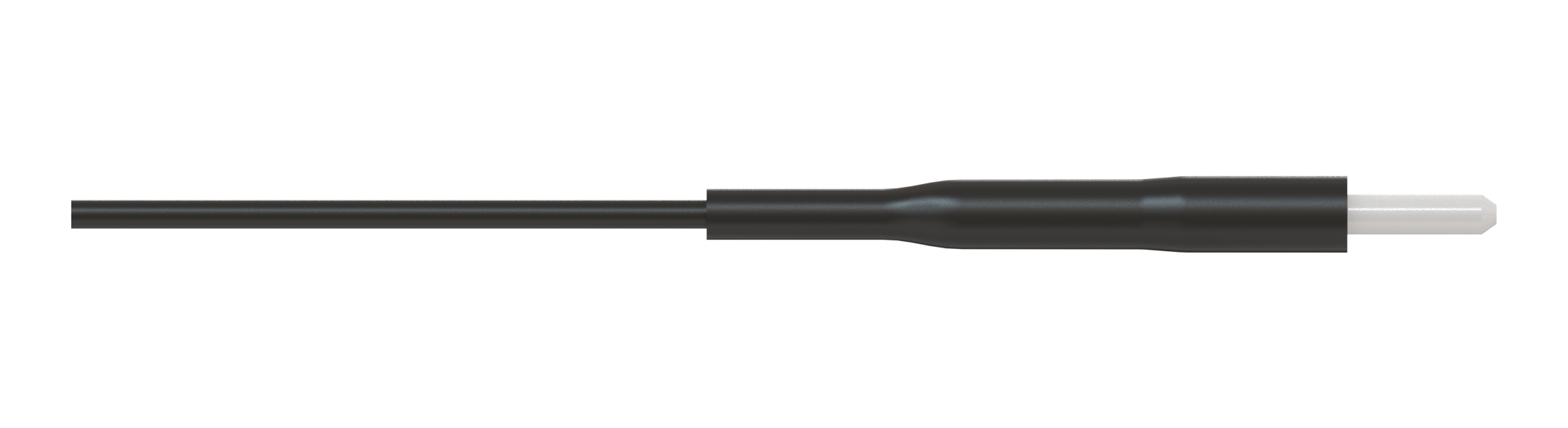
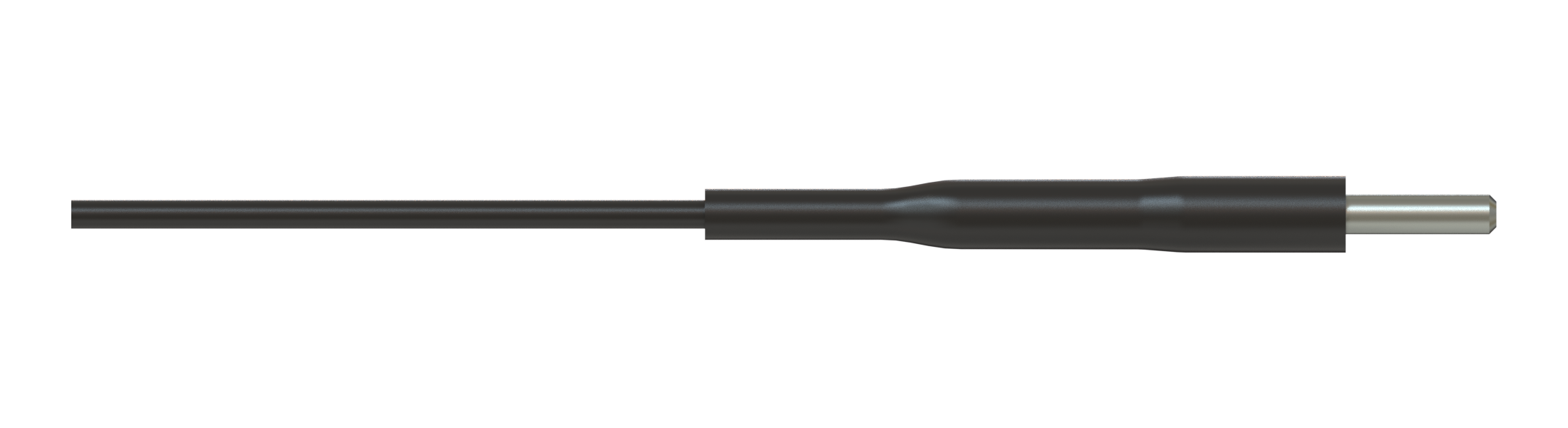
- Please note that 100 µm core - NA0.37 optical fiber into the connector A will be 15 microns decentered. For tighter tolerances, you may prefer the Mono Fiber-optic Patch cords.
| Core/Cladding Material | Core Diameter (μm) | Cladding (μm) | Buffer (μm) | NA | Fiber-Optic Code** |
| Silica/Silica | 100* | 110 | 125 | 0.37 | 100/110/XXX-0.37 |
| 200 | 220 | 245 | 0.37 | 200/220/XXX-0.37 | |
| 400 | 440 | 470 | 0.37 | 400/440/XXX-0.37 | |
| Silica/Polymer | 200 | 230 | 500 | 0.57 | 200/230/XXX-0.57 |
| 400 | 430 | 730 | 0.57 | 400/430/XXX-0.57 |
* 15µm decentered (A)
** XXX is representative of the jacket code, see JACKETS tab to choose the best one for your needs
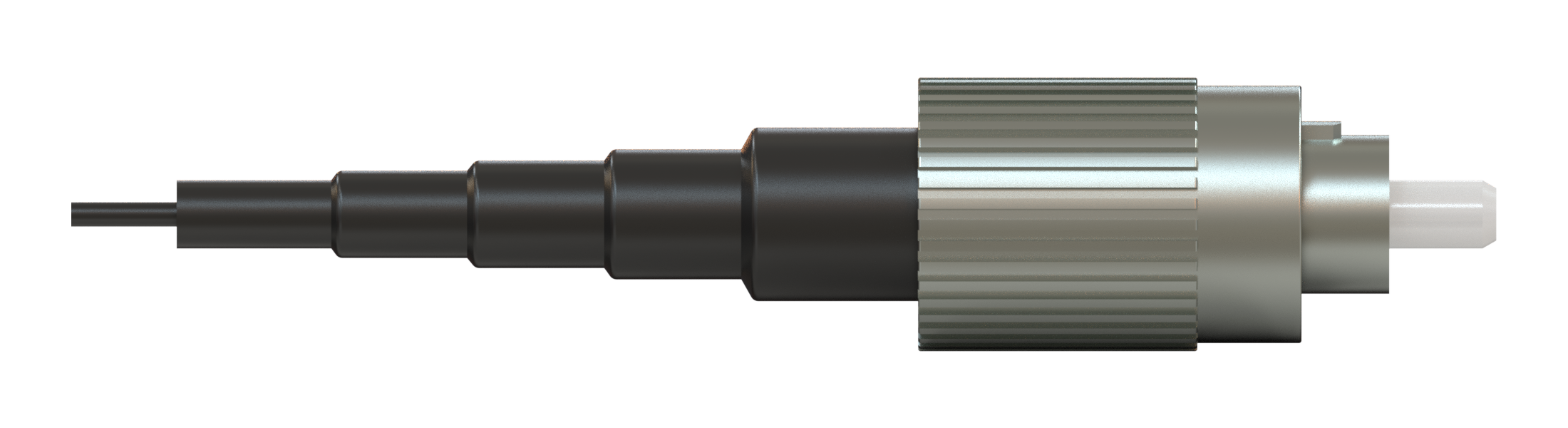
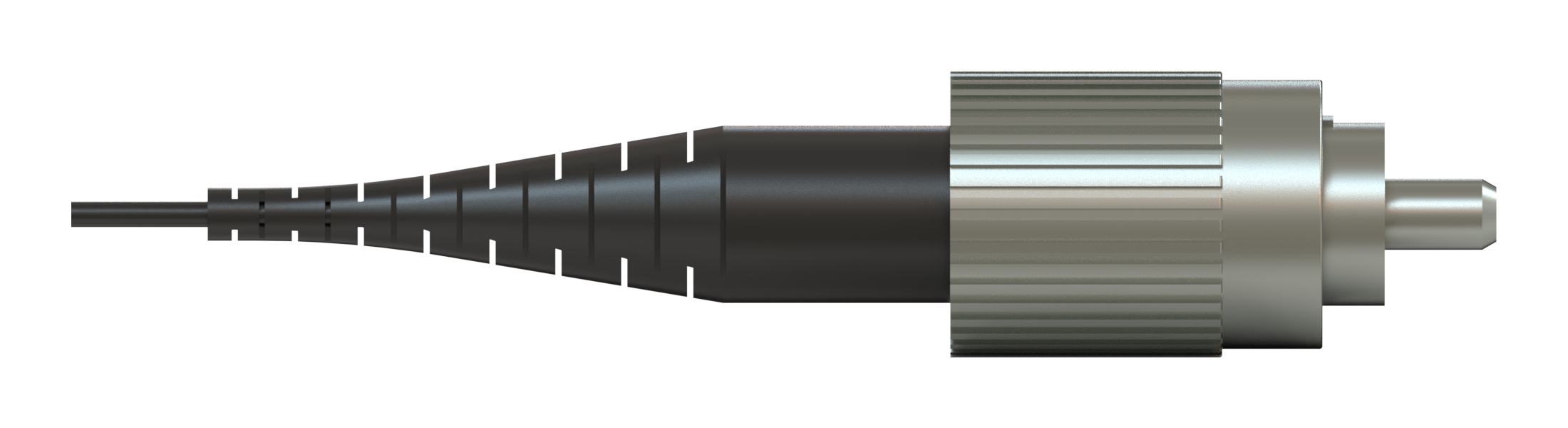
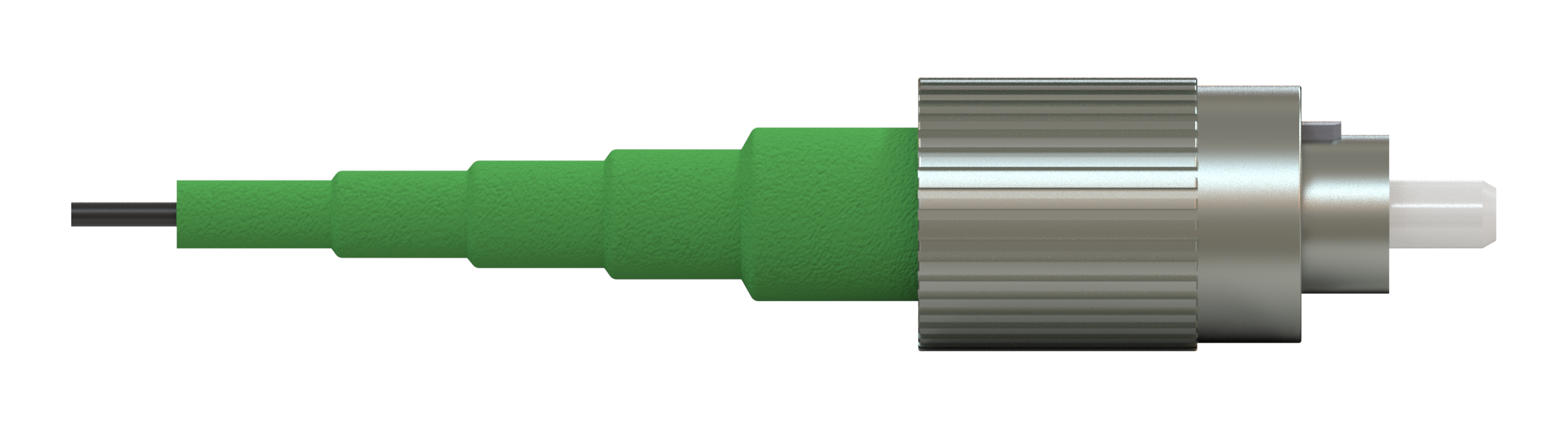
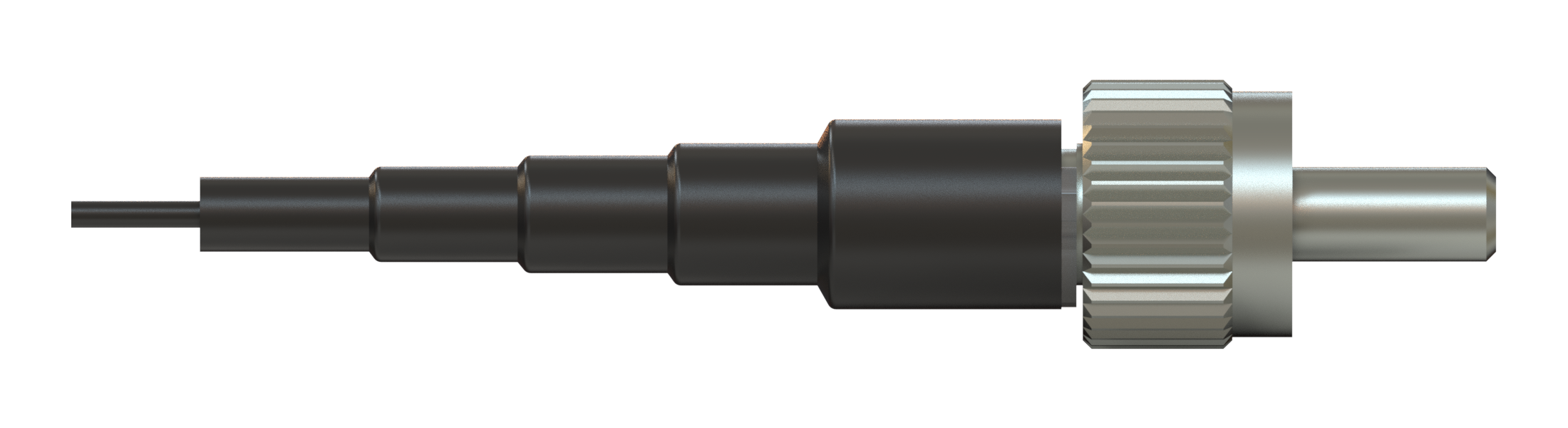
.png)
.png)
.png)

.png)
.png)
.png)
.png)

.png)
| Comparison Table : Protective Jacket | |||||||||
| Composition | Code | Description | Color | OD (mm) | Linear mass (g/m) | Flexibility | Fiber break protection | Fiber pull protection | Proposed usage |
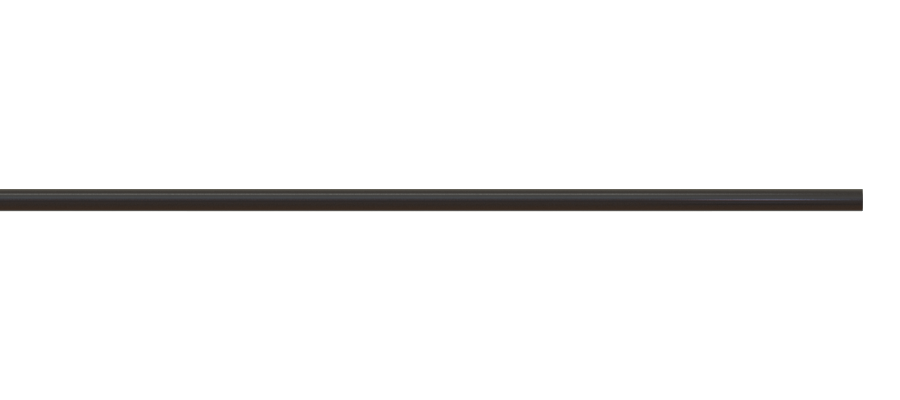 | 900 | Hytrel loose tube 0.9 | Black* | 0.9 | 0.5 | Excellent | Low | Low | Cable to small freely-moving animal (mice) |
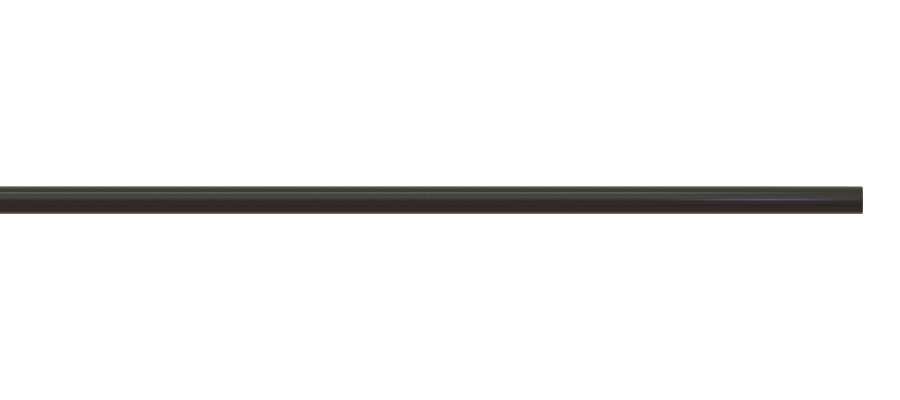 | 1100 | Hytrel loose tube 1.1 mm | Black* | 1.1 | 0.5 | Excellent | Low | Low | Cable to small freely-moving animal (mice) |
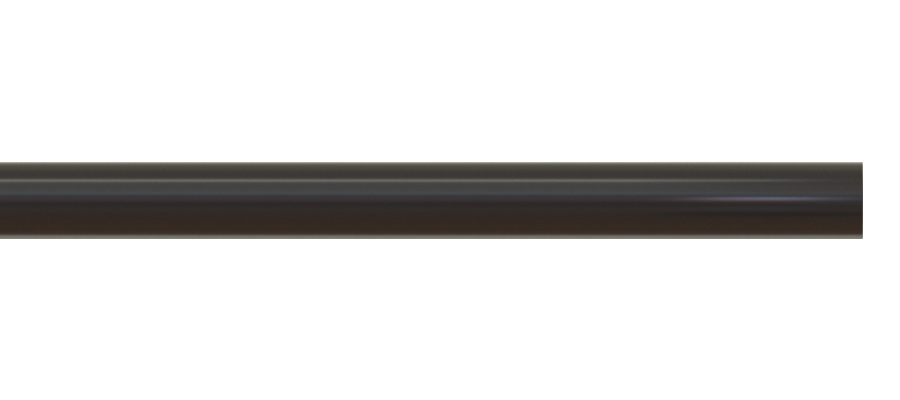 | 3000 | PVC jacket 3 mm | Black | 3.0 | 5.8 | Low | Good | Excellent | General use cable |
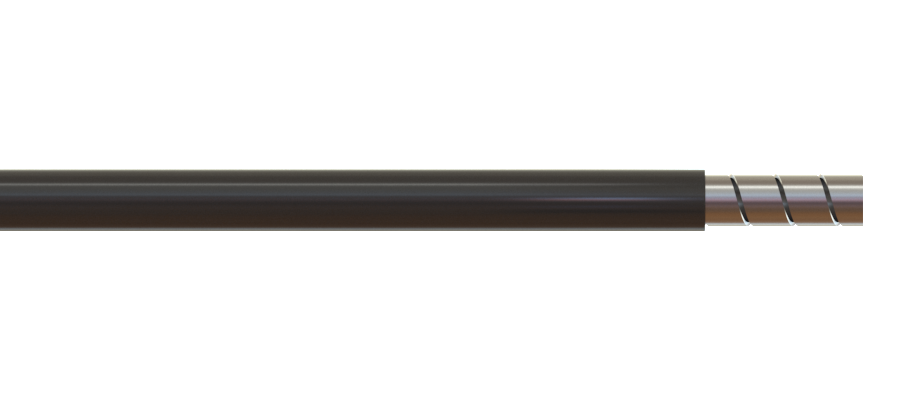 | LWMJ | Stainless monocoil with PVC 2.4 mm | Black | 2.4 | 7.5 | Good | Good | Good | Freely-moving animal light delivery with large mice or rat |
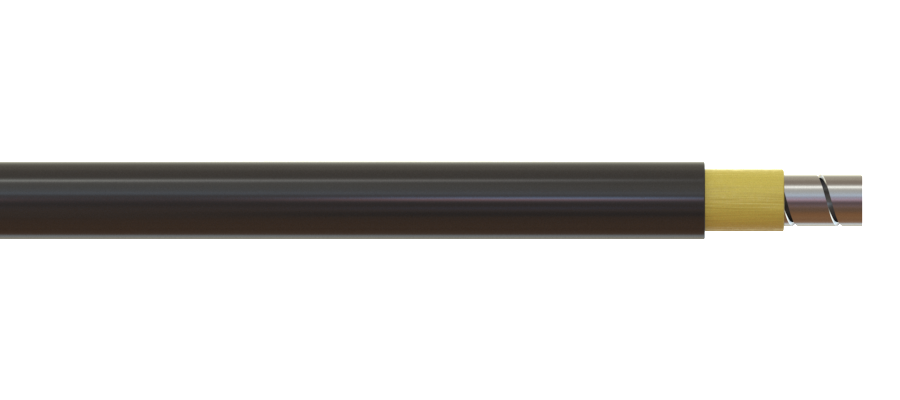 | PKMJ | Stainless monocoil with kevlar and PUR 3.0 mm | Black | 3.0 | 11 | Good | Excellent | Excellent | Best compromise between flexibility and robustness |
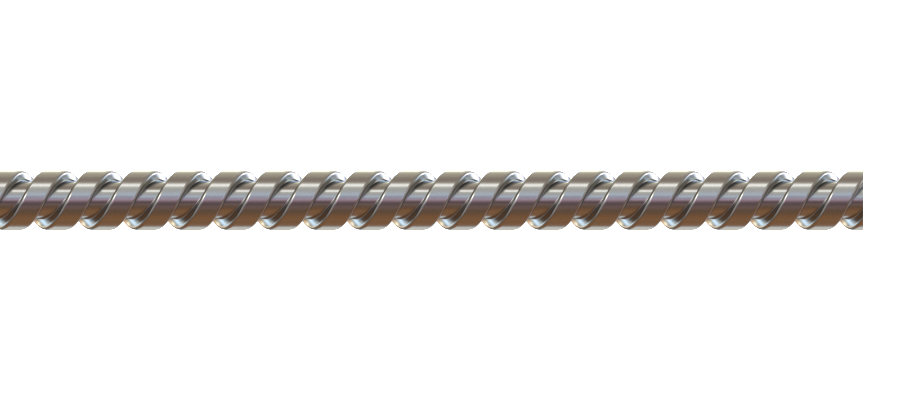 | ARMO | Stainless armor 2.3 mm | Silver | 2.3 | 9.2 | Low | Excellent | Excellent | Preferred for maximum robustness |
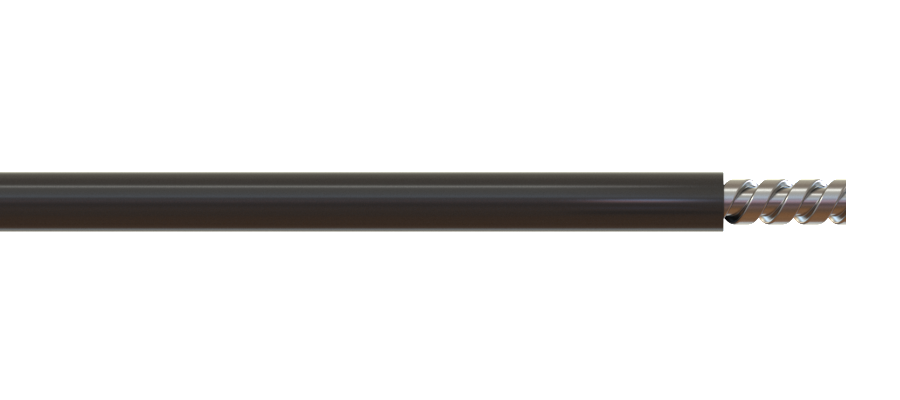 | ARBK | Stainless armor with PVC 3 mm | Black | 3.0 | 15 | Low | Excellent | Excellent | Preferred for maximum robustness |
* Other color available on request.
Jacket availability may vary with optical fiber type


Related products
-
Choose your option
-
Choose your option
-
Choose your option
-
Choose your option
-
Choose your option


